Showing posts with label online stock trading and investments. Show all posts

Wednesday, November 17, 2010

budgeting personal finances


Conduct a Financial Fire Drill to Assess Financial Health


We conduct fire drills to ensure fire warning systems are functional and that building occupants know what to do in the event of a fire-related emergency. Apply that same type of stress test to your money with a financial fire drill.

Photo by Steve Snodgrass.


Finance and frugality blog Frugal Dad urges us to take stock of our financial health by conducting a financial fire drill. Just like a real fire drill helps you run through a dangerous scenario without risk—"Who put the file cabinets in front of the fire exit?"—a financial fire drill shows you how effective your escape routes are and how big your safety net is.


You'll need to gather up all your bills, take stock of your savings and emergency fund, and head over the Frugal Dad to run through their financial fire drill checklist—which includes great tips like making a slash-and-burn list of non-essential services you can cancel the minute you get laid off or in other financial trouble.


Conduct a Financial Fire Drill to Assess Financial Health


We conduct fire drills to ensure fire warning systems are functional and that building occupants know what to do in the event of a fire-related emergency. Apply that same type of stress test to your money with a financial fire drill.

Photo by Steve Snodgrass.


Finance and frugality blog Frugal Dad urges us to take stock of our financial health by conducting a financial fire drill. Just like a real fire drill helps you run through a dangerous scenario without risk—"Who put the file cabinets in front of the fire exit?"—a financial fire drill shows you how effective your escape routes are and how big your safety net is.


You'll need to gather up all your bills, take stock of your savings and emergency fund, and head over the Frugal Dad to run through their financial fire drill checklist—which includes great tips like making a slash-and-burn list of non-essential services you can cancel the minute you get laid off or in other financial trouble.


alpine payment systems scam

Video: Is Cable <b>News</b> Actually <b>News</b>? - NYTimes.com

Video: Pondering the value and integrity of cable news.

<b>News</b> Corp. iPad Venture Fishing In Wrong Pond | paidContent

Another day, another hire at News Corp.'s super-duper secret iPad venture dubbed The Daily—and another reason to question whether this is going to be yet another wobbly Rupert Murdoch digital-news enterprise. ...

360-exclusive Fallout: NV DLC revealed Xbox 360 <b>News</b> - Page 1 <b>...</b>

Read our Xbox 360 news of 360-exclusive Fallout: NV DLC revealed.


Pantsuit conversion 1 -- Pragmata by Harper Ganesvoort


Video: Is Cable <b>News</b> Actually <b>News</b>? - NYTimes.com

Video: Pondering the value and integrity of cable news.

<b>News</b> Corp. iPad Venture Fishing In Wrong Pond | paidContent

Another day, another hire at News Corp.'s super-duper secret iPad venture dubbed The Daily—and another reason to question whether this is going to be yet another wobbly Rupert Murdoch digital-news enterprise. ...

360-exclusive Fallout: NV DLC revealed Xbox 360 <b>News</b> - Page 1 <b>...</b>

Read our Xbox 360 news of 360-exclusive Fallout: NV DLC revealed.


alpine payment systems scam

Video: Is Cable <b>News</b> Actually <b>News</b>? - NYTimes.com

Video: Pondering the value and integrity of cable news.

<b>News</b> Corp. iPad Venture Fishing In Wrong Pond | paidContent

Another day, another hire at News Corp.'s super-duper secret iPad venture dubbed The Daily—and another reason to question whether this is going to be yet another wobbly Rupert Murdoch digital-news enterprise. ...

360-exclusive Fallout: NV DLC revealed Xbox 360 <b>News</b> - Page 1 <b>...</b>

Read our Xbox 360 news of 360-exclusive Fallout: NV DLC revealed.


Friday, September 24, 2010

personal finance budgets


If you walked into the average bookstore, you'd think that women rule the roost when it comes to personal finance. From Suze Orman's now-classic Women and Money to the more recent (and more colorfully titled) Bitches on a Budget, there's no shortage of do-it-yourself financial advice tailored to women.


Apparently, though, when women make the momentous move from self-help to seeking professional advice about investing and retirement, things go rapidly downhill. A recent study by the Boston Consulting Group revealed that women perceived themselves as receiving wealth management services at a level of quality that is inferior to that received by their male counterparts.


According to the study, women are the key decision-makers when it comes to 27% of the wealth worldwide: that's $20 trillion! But despite the massive chunk of power they wield, 55% of the women surveyed in the study said they felt their wealth manager could do a better job of advising them. Almost a quarter of the respondents said private banks needed "significant improvement" in the services they offer to women.


"The dissatisfaction stems from the unshakable perception that men get more attention, better advice, and sometimes even better terms and deals," according to study co-author Peter Damisch. "We heard this sense of subordination time and time again in our interviews."


This perceived disparity in service arose from several key disconnects in the relationships and communications between women and their financial advisers. Manisha Thakor, Chartered Financial Analyst and women's financial literacy advocate, offers some steps savvy female investors can take to avoid being under-served by their wealth managers and investment advisers:


1. Find your adviser and get your financial education from women-run resources.


The financial services industry is dominated by males and therefore the "DNA is structured around the male experience," Thakor explains, adding that she sees many firms making an effort to change this. Most financial advisers are men, who may not inherently understand the whole-life nature of the average woman's financial plans and needs. They also may have very different communication styles than their women clients.


Thakor recommends women use women-created resources like LearnVest and DailyWorth to educate themselves in order to avoid the intimidation factor when talking about investment products with their advisers. She also encourages women to consult Garrett Planning Network, founded by Certified Financial Planner Sheryl Garrett, to locate a local certified financial planner who works on an hourly-fee-only basis. Taking these steps, Thakor explains, may alleviate the concern expressed by many women in the BCG study that they were not being taken seriously or talked to on the same level as male clients by their financial advisers.


2. Expressly state your ideal career trajectory, then ask how you should alter your investment plans accordingly.


In the BCG study, women stated that their investment advisers fundamentally misunderstood what was actually important to them, and recommended a too-narrow range of inappropriate investment vehicles as a result. Many said their advisers assumed they had a lower risk tolerance than they actually did, or that their advisers focused on short-term results and disregarded their long-term goals, which often included time out to care for a child or parent.


Thakor offers women a script of sorts to remedy this communication disconnect. "Go in and say: "I want to be a mom and I may take X amount of time out of the work force," she advises. Then ask, "How do we adjust how much I need to save and how I should invest to compensate for this?"


3. Start saving early.


It's hard to beat an excel spreadsheet for quickly shifting between a granular and top-level view of your personal finance situation. Here's reader Lauren's account balance spreadsheet she made to keep track of her expenditures, past, present, and future, and itemize her budget.


Download Lauren's Budgeter (XLS)


1. Scroll to the current month.

2. Enter your current balance in the "Starting Balance" box at the top left.

3. Enter your credits and debits on the appropriate dates they will hit your account. Use positive numbers for money getting added credits, and negative numbers for when it's getting taken away.

4. The green "Total" will change to reflect your total overall balance.


Use it as is, compare it to your own, or mod to fit your own needs.


Lauren says it's "quite nifty," and also uses it as a calendar.


Here's the excel code for the totaler for those who like to look under the hood:


TODAY();_8_10)

+SUMIF(_9_10d;"

big white booty broker

After Months of Speculation, Anisette Brasserie Bids Au Revoir <b>...</b>

Unfortunately, we called it. In an additional bout of shutter news, months and months after rumors swirled that Alain Giraud's Anisette Brasserie was about to call it quits, his...

<b>News</b> - Lindsay Lohan &quot;Demure and Quiet&quot; as She Arrived at Jail <b>...</b>

Like her previous stints in the slammer, she'll be kept away from other inmates in a 12x9 cell.

Artnet <b>News</b>: Gang assaults Turkish galleries. Plus, Miami <b>...</b>

ARTNET NEWS. Gang assaults Turkish galleries. Plus, Miami Sculpture Biennial, Prospect 1.5 New Orleans, more.


After Months of Speculation, Anisette Brasserie Bids Au Revoir <b>...</b>

Unfortunately, we called it. In an additional bout of shutter news, months and months after rumors swirled that Alain Giraud's Anisette Brasserie was about to call it quits, his...

<b>News</b> - Lindsay Lohan &quot;Demure and Quiet&quot; as She Arrived at Jail <b>...</b>

Like her previous stints in the slammer, she'll be kept away from other inmates in a 12x9 cell.

Artnet <b>News</b>: Gang assaults Turkish galleries. Plus, Miami <b>...</b>

ARTNET NEWS. Gang assaults Turkish galleries. Plus, Miami Sculpture Biennial, Prospect 1.5 New Orleans, more.


big white booty

After Months of Speculation, Anisette Brasserie Bids Au Revoir <b>...</b>

Unfortunately, we called it. In an additional bout of shutter news, months and months after rumors swirled that Alain Giraud's Anisette Brasserie was about to call it quits, his...

<b>News</b> - Lindsay Lohan &quot;Demure and Quiet&quot; as She Arrived at Jail <b>...</b>

Like her previous stints in the slammer, she'll be kept away from other inmates in a 12x9 cell.

Artnet <b>News</b>: Gang assaults Turkish galleries. Plus, Miami <b>...</b>

ARTNET NEWS. Gang assaults Turkish galleries. Plus, Miami Sculpture Biennial, Prospect 1.5 New Orleans, more.


Free Personal Finance Software, Budget Software, Online Money Management and Budget Planner  Mint.com by WEB Design archives


Free Personal Finance Software, Budget Software, Online Money Management and Budget Planner  Mint.com by WEB Design archives


personal finance money management

This post is from staff writer Sierra Black. Sierra writes about frugality, sustainable living, and getting her kids to eat kale at Childwild.com. This post is part of Book Week at Get Rich Slowly.


Since my twin victories of paying off our last credit card and funding a summer of travel, my husband has begun to show interest in personal finance.


It’s not that he wasn’t supportive of my efforts before — he just preferred to support them from a safe, ignorant distance. A distance from which I handed him an envelope of cash each week to do the grocery shopping, he didn’t ask too many questions, and somehow we were climbing out of debt. He was more than happy to adopt any frugal-living strategy I suggested, as long as he didn’t have to think about the Big Picture.


That system worked, but I longed for more active participation from him. Not only because I wanted us to share equally in the journey toward financial freedom — I do want that — but also for a selfish reason. I wanted him to participate because he’s better at this stuff than I am. He’s a whiz at spreadsheets. The man has a Ph.d in Physical Chemistry. You don’t get one of those without doing a few math problems.


Lately, I’ve been getting my wish. My husband has been talking with a financial advisor at the university he works for, and having clear, honest conversations with me about our money.


This seemed like the perfect time for me to read Mary Hunt’s How to Debt-Proof Your Marriage.


Relationship first

Hunt’s book covers the basics of personal finance and debt destruction, with a special focus on doing it as a couple. Before she even begins talking about financial management, Hunt talks about strengthening the foundations of your marriage. You can’t have financial harmony without emotional intimacy, she says.


I couldn’t agree more. It’s clear in my own marriage that spending time relaxing together on vacation helped my husband and me both chill out and have better conversations during our family finance meetings too.


Hunt and I part ways in the chapters about how to achieve that emotional intimacy, though. She bases her prescription for marital bliss on traditional gender roles. She includes chapters for each sex on how to make deposits in the other’s Love Bank — a metaphorical bank of goodwill made of small, loving gestures.


The Love Bank is an adorable idea, one I’m tempted to put into practice here in my own home. I’m pretty sure I won’t be making my deposits to my husband’s Love Bank by biting my tongue when I disagree with him, though. Likewise, I don’t expect him to express his love for me by bringing me flowers and handling all the tough decisions for me like the natural leader of our family should.


Hunt is a generation (or two) older than I am, and what works for her marriage is so foreign to my young, feminist mind that it was actually a little hard to read. But leaving aside the details of how you get to an intimate marriage, though, she and I agree wholeheartedly that it’s important to get your emotional needs met before you can effectively work together with your spouse to manage your finances.


Money second

The personal-finance half of the book will be familiar to most GRS readers. Hunt advocates an approach similar to Your Money or Your Life and Dave Ramsey’s Total Money Makeover, one that begins with calculating your net worth and tracking your expenses. From there, she covers the basics of setting up an emergency fund, creating a spending plan, and starting a debt snowball (though she uses different terms for these steps).


Like her ideal of a healthy relationship, Hunt’s financial advice seems a little dated in places. A lot of it has to do with how to organize your three-ring binders, or how to painstakingly accomplish by-hand calculations that Mint can do for you in a few minutes. If you’re a devotee of the pen-and-paper approach, though, her chapters on how to track and plan your spending are rock solid and detailed enough to easily follow.


The one thing in this book that made me want to put it down, run to my office, and implement it on the spot was, in fact, her filing system. Hunt takes a few pages to go over exactly what personal records you should be keeping, and outlines an elegant effective way to organize them. I spent an hour tearing apart my filing cabinet yesterday as soon as I read those pages. I may not want my marriage to look much like hers, but I’m delighted to have made over my filing cabinet in Mary Hunt’s image.


Different views

There are a few areas where Mary’s financial advice deviates from the usual Get Rich Slowly formula. One is the matter of the debt snowball. She encourages readers to start saving 10% of their income towards an emergency fund immediately, while still paying the minimums on their credit cards. Only after saving up a fully funded six-month emergency fund would Hunt advise you to roll those savings into your credit card payments.


Given the relative interest rates on credit cards and savings accounts, this approach will almost certainly cost you money. If it works for you psychologically, though, by all means pursue it. No matter what order you do them in, the key steps of tracking your spending, creating an emergency fund, and snowballing your debt payments will lead you to financial security.


Another place where she breaks with conventional wisdom is in her savings and spending ratios. GRS readers are familiar with the Balanced Money Formula that encourages us to use 50% of our money for living expenses, 30% for fun and 20% for savings. Hunt advises 10% for giving, 10% for saving and 80% for spending.


The order of those percentages is vital to her. A devout Christian, Hunt feels that all the money that comes into your life is a blessing from God, and promptly giving 10% of it back to God shows you can be trusted with this blessing, and more of it will come your way.


I’m not a Christian, but I admire Mary’s faith and devotion to charitable giving. It’s a goal of mine to give 10% of my income. I’ve written about that here before, and readers made a persuasive case for waiting until my debts were paid before giving so much away. For now, I give a modest amount and look forward to giving more in the future.


I think that for Hunt, the psychological benefits of giving 10% and saving 10% before you make any spending decisions at all outweigh the financial benefits of paying off your debts as fast as possible and then beginning to accumulate and donate wealth.


It’s an interesting approach, and one that might work for a lot of people. Particularly if you’re a devoted Christian and looking for a personal-finance book that reflects your values, you’ll find a lot of good in How to Debt-Proof Your Marriage. If you’re looking for a book that’s totally focused on financial savvy and relationship skills, though, this might not be your best bet.


Ever since Jane Mayer's recent New Yorker piece earlier this month, much of the media has risen to debate how much influence conservative and libertarian-leaning businessmen David and Charles Koch, the owners of Koch Industries, have in American politics.

Some critics of the article argue that the media cries foul over the Koch brothers, yet largely ignores liberal George Soros, the Hungarian-American currency speculator and stock investor, who has spent millions of dollars on liberal and nonpartisan causes (including the Center for Responsive Politics).


OpenSecrets Blog is here to investigate the numbers behind these bold-faced names in our new feature, Capital Rivals.

For starters, both Soros and the brothers Koch (pronounced "coke") are incredibly rich. And their political endeavors are numerous.

Koch Industries, an oil refiner, is the nation�s second largest private company with about $100 billion in annual revenue. Soros is chairman of Soros Fund Management, a highly successful hedge fund that has provided financial and investment strategies to a variety of funds. As of June 30, 2009, the hedge fund had holdings valued at $4.2 billion.

David and Charles Koch are tied at No. 24 on Forbes top billionaires list with a personal fortunes of $17.5 billion each. Soros is No. 35 on the list with a net worth of $14 billion.

The Koch brothers, Soros and their respective companies have spent millions of dollars on politics, ranging from federal lobbying to candidate support to bankrolling political committees, according to a Center for Responsive Politics review of their political activity.

The Kochs and Soros have also funded think tanks, foundations and political organizations -- money that is sometimes notoriously difficult to track.

These individuals aren�t exactly flying under the radar as the Kochs hold leadership positions and are featured on the websites for the Cato Institute, Reason Foundation and the Mercatus Center among others. Soros also runs the Open Society Institute -- website Soros.org -- as well as the recently created Institute for New Economic Thinking.

Still these individuals have provided major funding to groups that aren't particularly transparent, such as Soros-backed Democracy Alliance, which doesn't provide information on the projects it funds.

David Koch's Americans for Prosperity Foundation has a more detailed website, but it is unclear why Koch is seemingly uninvolved in the similar organization, Americans for Prosperity. David Koch contends that no Koch foundations have provided funding to Americans for Prosperity, the citizen advocacy group organizing Tea Party events around the country. A Washington Post article from January of this year connects the Kochs with the Tea Party movement, citing records of their foundation giving $3.1 million to Americans for Prosperity, but according to the Kochs, this is false, as the money only went to the Americans for Prosperity Foundation.

Below is the Center for Responsive Politics' analysis federal political activity by Soros and the Kochs. Note that while direct political donations are relatively easily to track, it's difficult to create a full compilation of the political groups that these individuals are connected with due to secondary and indirect affiliations. Therefore, the groups listed at the end of the are the most well-known organizations linked to these three individuals.


big white booty colorado

ICM And WME And CAA <b>News</b>… – Deadline.com

ICM's talent department signed Emmy nominee and TV standout (Malcolm In The Middle) Jane Kaczmarek, who had been represented by WME. She's managed by Adena Chawke and Lisa Wright at Greenlight Management. Also joining ICM from WME is ...

Official Google Blog: Google <b>News</b> turns eight

Today we celebrate the eighth birthday of Google News. Not long after the tragic events of September 11, 2001, we started building and testing Google News with the aim of helping you find current events from a wide variety of global and ...

Artnet <b>News</b>: Gang assaults Turkish galleries. Plus, Miami <b>...</b>

ARTNET NEWS. Gang assaults Turkish galleries. Plus, Miami Sculpture Biennial, Prospect 1.5 New Orleans, more.


ICM And WME And CAA <b>News</b>… – Deadline.com

ICM's talent department signed Emmy nominee and TV standout (Malcolm In The Middle) Jane Kaczmarek, who had been represented by WME. She's managed by Adena Chawke and Lisa Wright at Greenlight Management. Also joining ICM from WME is ...

Official Google Blog: Google <b>News</b> turns eight

Today we celebrate the eighth birthday of Google News. Not long after the tragic events of September 11, 2001, we started building and testing Google News with the aim of helping you find current events from a wide variety of global and ...

Artnet <b>News</b>: Gang assaults Turkish galleries. Plus, Miami <b>...</b>

ARTNET NEWS. Gang assaults Turkish galleries. Plus, Miami Sculpture Biennial, Prospect 1.5 New Orleans, more.


big white booty

ICM And WME And CAA <b>News</b>… – Deadline.com

ICM's talent department signed Emmy nominee and TV standout (Malcolm In The Middle) Jane Kaczmarek, who had been represented by WME. She's managed by Adena Chawke and Lisa Wright at Greenlight Management. Also joining ICM from WME is ...

Official Google Blog: Google <b>News</b> turns eight

Today we celebrate the eighth birthday of Google News. Not long after the tragic events of September 11, 2001, we started building and testing Google News with the aim of helping you find current events from a wide variety of global and ...

Artnet <b>News</b>: Gang assaults Turkish galleries. Plus, Miami <b>...</b>

ARTNET NEWS. Gang assaults Turkish galleries. Plus, Miami Sculpture Biennial, Prospect 1.5 New Orleans, more.


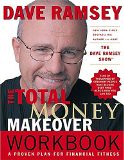
The Total Money Makeover Workbook by Dave Ramsey by markjacobson62@yahoo.com


The Total Money Makeover Workbook by Dave Ramsey by markjacobson62@yahoo.com


Saturday, September 18, 2010

personal finance manager

When I first arrived in Japan in 1974, international investors widely expected the country to collapse, a casualty of the overnight quadrupling of oil prices to $12 and the global recession that followed. Japanese borrowers were only able to tap foreign debt markets by paying a 200 basis point premium to the market, a condition that came to be known as “Japan Rates.”

Hedge fund manager, Kyle Bass, says that the despised Japan rates are about to return. There is nothing less than one quadrillion yen of public debt in Japan today. A perennial trade surplus powered high corporate and personal savings rates during the eighties and nineties, allowing these agencies to sell their debt entirely to domestic, mostly captive investors Those days are coming to a close. The problem is that the working age population peaked in Japan last year, and the country is entering a long demographic nightmare (see population pyramids below).

This year, the Ministry of Finance will see ¥40 trillion in receivables, the same figure seen in 1985, against ¥97 trillion in spending. Interest expense, debt service, and social security spending alone exceed receivables. The tipping point is close, and when it hits, Japan will have to borrow from abroad in size. Foreign investors all too aware of this distressed income statement will almost certainly demand big risk premiums, possibly several hundred basis points. That’s when the sushi hits the fan.

To top it all, no one in living memory in Japan has ever lost money in the JGB market, so expectations are unsustainably high. Need I mention that Japan’s Q2 GDP growth came in at an arthritic 0.1 %, not exactly a performance to run up the flagpole?

Both the JGB market and the yen can only collapse in the face of these developments. I know that the short JGB trade has killed off more hedge fund managers than all the irate former investors and divorce lawyers in the world combined. Read about my own recent, futile attempt to sell these markets by clicking here at http://www.madhedgefundtrader.com/august-6-2010.html .

But what Kyle says makes too much sense, and the day of reckoning for this long despised financial instrument may be upon us. How much downside risk can there be in shorting a ten year coupon of under 1%. I have included a breakdown of Kyle’s portfolio below, which you should note, has absolutely no equities anywhere in the world. Is Kyle trying to show us the writing on the wall?

To see the data, charts, and graphs that support this research piece, as well as more iconoclastic and out-of-consensus analysis, please visit me at www.madhedgefundtrader.com . There, you will find the conventional wisdom mercilessly flailed and tortured daily, and my last two years of research reports available for free. You can also listen to me on Hedge Fund Radio by clicking on “This Week on Hedge Fund Radio” in the upper right corner of my home page.


Washington (CNN) - Fresh on the heels of Joe Miller's surprising win over Sen. Lisa Murkowski in the Alaska Republican Senate primary, the Tea Party movement is setting its sights on Delaware.


Now the Delaware Republican Party is taking heed – and taking on – the Tea Party-backed candidate in the state's Republican Senate primary, sparking a war of words between the state's establishment GOP and the Tea Party movement.


It's a race that pits conservative Tea Party favorite Christine O'Donnell against moderate Rep. Mike Castle, Delaware's former two-term governor and lone Congressman since 1993.


Both candidates' campaigns have become increasingly caustic, especially as Tea Party-backed candidates across the country have picked up win after win against GOP establishment candidates.


The Tea Party Express endorsed the conservative O'Donnell in July, and recently committed to spending at least six-figures in the state.


"We are launching an aggressive multimedia and multi-platform campaign to help propel Christine O'Donnell to victory, and we've only just begun," Amy Kremer, Chairman of the Tea Party Express, said in a statement.


The group originally planned to spend about $250,000 on the race, but is now considering expanding their presence with TV and radio ad buys in Philadelphia, said Tea Party Express political director Joe Wierzbicki.


A similar last minute media blitz by the Tea Party Express is credited with propelling Miller – a formerly little known candidate – to victory over Murkowski, the Republican Party-backed incumbent.


The group launched a series of TV and radio ads Thursday that support O'Donnell, and rail against Castle as a liberal candidate who "just keeps supporting the failed policies of Nancy Pelosi and Harry Reid."


It's a move that has the Castle campaign fighting back.


"Out-of-state interest groups have threatened to spend half a million dollars to fund the disgusting tactics being used by the O'Donnell campaign to make accusations," said Castle campaign manager Mike Quaranta.


Meanwhile, the Castle campaign has launched therealchristine.com, a site devoted to aggregating negative news about O'Donnell.


Tom Ross, state committee chairman of the Delaware Republican Party, defended the negative nature of the site. "The stories might not be flattering, but they are factual. ...Sometimes it is necessary to make sure that the facts get out there," Ross said.


O'Donnell has faced criticism over her personal finance issues and leftover debt from previous, unsuccessful bids for a Delaware Senate seat. She has also been accused of misstating the results of her run against Joe Biden.


When asked to clarify her remarks in an interview Thursday with radio host Dan Gaffney of WGMD, O'Donnell seemed to grow increasingly frustrated, and ultimately blamed her statements on a grueling campaign schedule.


Ross, who is backing Castle, said that O'Donnell's history is troubling.


"This is a group and candidate that clearly seem to have a problem with facts. It is shocking that they would come in and support a candidate of Christine O'Donnell's ilk," he said.


"It is sad that the group didn't investigate the candidate that they're supporting… and surprising they would take their supporters' money that they donated and squander it in such a fashion," Ross said.


Ross also questioned whether O'Donnell is capable of pulling off an upset similar to Miller's win in Alaska.


"In Alaska, it was that Joe Miller is an Ivy League grad, a war hero, excellent standing in the community," Ross said. "Look at Christine O'Donnell. She has none of those attributes. She is career politician. She's run unsuccessfully for Senate three times."


Yet, Wierzbicki criticized Ross for dismissing O'Donnell, calling her a true conservative.


" is everything that is wrong with the establishment of the Republican Party. He should be fired for serving to undermine a Republican candidate who stands on conservative principles. It's his job to advance all Republicans in the state of Delaware. Instead he has become a tool for those who wish to thwart the Republican Party platform and turn the GOP into a Democrat-lite outfit. We find him reprehensible and shameless," Wierzbicki said.


Republican Gov. Chris Christie of neighboring New Jersey endorsed Castle Thursday.


The winner will face Democrat Chris Coons in the race for Vice President Joe Biden's former seat.


eric seiger do how to lose weight fast penis extender

Scripting <b>News</b>: Yes, Virginia, there are two ways to read RSS

The kind of flow almost everyone agrees is suited to River of News are feeds from news orgs like Reuters, the BBC and Guardian, AP, the Washington Post. They're constantly publishing links to stories, many of them different views of the ...

The good <b>news</b> | dooce®

And every day when we pick her up from school she says, "Do you want the good news or the bad news first?" I always ask for the good news so that I can prepare and physically brace myself for what is surely news that will grind the ...

Baltimore Crime: Saturday crime <b>news</b>

Saturday crime news. State Senator Ulysses Currie pleaded not guilty to federal corruption charges. Triple stabbing on an MTA bus in West Baltimore. posted by ppatin at 11:07 AM ...


Chrysler Building interior by Emilio Guerra


Tuesday, September 14, 2010

how to manage personal finances

This post is from staff writer Sierra Black. Sierra writes about frugality, sustainable living, and getting her kids to eat kale at Childwild.com. This post is part of Book Week at Get Rich Slowly.


Since my twin victories of paying off our last credit card and funding a summer of travel, my husband has begun to show interest in personal finance.


It’s not that he wasn’t supportive of my efforts before — he just preferred to support them from a safe, ignorant distance. A distance from which I handed him an envelope of cash each week to do the grocery shopping, he didn’t ask too many questions, and somehow we were climbing out of debt. He was more than happy to adopt any frugal-living strategy I suggested, as long as he didn’t have to think about the Big Picture.


That system worked, but I longed for more active participation from him. Not only because I wanted us to share equally in the journey toward financial freedom — I do want that — but also for a selfish reason. I wanted him to participate because he’s better at this stuff than I am. He’s a whiz at spreadsheets. The man has a Ph.d in Physical Chemistry. You don’t get one of those without doing a few math problems.


Lately, I’ve been getting my wish. My husband has been talking with a financial advisor at the university he works for, and having clear, honest conversations with me about our money.


This seemed like the perfect time for me to read Mary Hunt’s How to Debt-Proof Your Marriage.


Relationship first

Hunt’s book covers the basics of personal finance and debt destruction, with a special focus on doing it as a couple. Before she even begins talking about financial management, Hunt talks about strengthening the foundations of your marriage. You can’t have financial harmony without emotional intimacy, she says.


I couldn’t agree more. It’s clear in my own marriage that spending time relaxing together on vacation helped my husband and me both chill out and have better conversations during our family finance meetings too.


Hunt and I part ways in the chapters about how to achieve that emotional intimacy, though. She bases her prescription for marital bliss on traditional gender roles. She includes chapters for each sex on how to make deposits in the other’s Love Bank — a metaphorical bank of goodwill made of small, loving gestures.


The Love Bank is an adorable idea, one I’m tempted to put into practice here in my own home. I’m pretty sure I won’t be making my deposits to my husband’s Love Bank by biting my tongue when I disagree with him, though. Likewise, I don’t expect him to express his love for me by bringing me flowers and handling all the tough decisions for me like the natural leader of our family should.


Hunt is a generation (or two) older than I am, and what works for her marriage is so foreign to my young, feminist mind that it was actually a little hard to read. But leaving aside the details of how you get to an intimate marriage, though, she and I agree wholeheartedly that it’s important to get your emotional needs met before you can effectively work together with your spouse to manage your finances.


Money second

The personal-finance half of the book will be familiar to most GRS readers. Hunt advocates an approach similar to Your Money or Your Life and Dave Ramsey’s Total Money Makeover, one that begins with calculating your net worth and tracking your expenses. From there, she covers the basics of setting up an emergency fund, creating a spending plan, and starting a debt snowball (though she uses different terms for these steps).


Like her ideal of a healthy relationship, Hunt’s financial advice seems a little dated in places. A lot of it has to do with how to organize your three-ring binders, or how to painstakingly accomplish by-hand calculations that Mint can do for you in a few minutes. If you’re a devotee of the pen-and-paper approach, though, her chapters on how to track and plan your spending are rock solid and detailed enough to easily follow.


The one thing in this book that made me want to put it down, run to my office, and implement it on the spot was, in fact, her filing system. Hunt takes a few pages to go over exactly what personal records you should be keeping, and outlines an elegant effective way to organize them. I spent an hour tearing apart my filing cabinet yesterday as soon as I read those pages. I may not want my marriage to look much like hers, but I’m delighted to have made over my filing cabinet in Mary Hunt’s image.


Different views

There are a few areas where Mary’s financial advice deviates from the usual Get Rich Slowly formula. One is the matter of the debt snowball. She encourages readers to start saving 10% of their income towards an emergency fund immediately, while still paying the minimums on their credit cards. Only after saving up a fully funded six-month emergency fund would Hunt advise you to roll those savings into your credit card payments.


Given the relative interest rates on credit cards and savings accounts, this approach will almost certainly cost you money. If it works for you psychologically, though, by all means pursue it. No matter what order you do them in, the key steps of tracking your spending, creating an emergency fund, and snowballing your debt payments will lead you to financial security.


Another place where she breaks with conventional wisdom is in her savings and spending ratios. GRS readers are familiar with the Balanced Money Formula that encourages us to use 50% of our money for living expenses, 30% for fun and 20% for savings. Hunt advises 10% for giving, 10% for saving and 80% for spending.


The order of those percentages is vital to her. A devout Christian, Hunt feels that all the money that comes into your life is a blessing from God, and promptly giving 10% of it back to God shows you can be trusted with this blessing, and more of it will come your way.


I’m not a Christian, but I admire Mary’s faith and devotion to charitable giving. It’s a goal of mine to give 10% of my income. I’ve written about that here before, and readers made a persuasive case for waiting until my debts were paid before giving so much away. For now, I give a modest amount and look forward to giving more in the future.


I think that for Hunt, the psychological benefits of giving 10% and saving 10% before you make any spending decisions at all outweigh the financial benefits of paying off your debts as fast as possible and then beginning to accumulate and donate wealth.


It’s an interesting approach, and one that might work for a lot of people. Particularly if you’re a devoted Christian and looking for a personal-finance book that reflects your values, you’ll find a lot of good in How to Debt-Proof Your Marriage. If you’re looking for a book that’s totally focused on financial savvy and relationship skills, though, this might not be your best bet.


From Hotline (HT: Mataconis):


O'Donnell, a perennial conservative candidate in Delaware, is challenging moderate Rep. Mike Castle (R), the clear favorite of the GOP establishment. But she has come under fire recently for her personal financial problems. Reports have surfaced that she owed $10K in back taxes, defaulted on her mortgage and holds outstanding campaign debt.


Levi Russell, a spokesman for the group, told Hotline On Call that the group was not aware of O'Donnell's personal financial problems before it endorsed her.


"We don't know the exact situation," he said.


When asked if the group discussed the issues with O'Donnell, Russell responded: "No we haven't. We don't really have any contact with the campaign or the candidate."


We have blogged before reasons why we support Mike Castle over O'Donnell. But this report raises even more questions, such as:


  1. If the Tea Party really stands for fiscal conservatism, why would they endorse somebody who can't even manage her personal finances?

  2. Does it give you confidence in the Tea Party that they go around endorsing people without having any contact with the candidate? How do they know that this female version of Harold Stassen is really worthy of such an endorsement?

  3. Christine O'Donnell has run for office 4 times. Her sole victory was an uncontested Republican primary.

  4. In 2008, O'Donnell lost the Delaware senate race to Joe Biden by 65-35. She later falsely claimed to have won two counties in that race. Biden's percentage of the vote in 2008 was the largest of any of his senatorial campaigns.

  5. In 2008, one of the great Democratic landslides, Mike Castle beat his Democratic challenger for Delaware's sole Congressional seat by 23 points. Castle has won 13 consecutive state-wide races as a candidate either for Governor or Congressman. He's way ahead of the Democrat in the polls while O'Donnell trails the Democrat by 10 points.


As a student of Delaware corporate governance, I am firmly convinced that Delaware needs quality representation in Congress if it is to fend off the creeping federalization of corporate law. As a big tent Republican, I'm inclined to support smart, electable, centrists like Mike Castle over someone like O'Donnell. The perfect must not be allowed to become the enemy of the good. Especially when the supposed perfect candidate is pretty seriously flawed and probably unelectable.


penis extender

Twitter To Look More Like Facebook&#39;s <b>News</b> Feed

We're trying not to be the type of people who hate change just because it's change.

DEMO: HipLogic&#39;s Spark brings social media, <b>news</b> updates to your <b>...</b>

Devindra Hardawar is a technology and film writer/podcast host. He studied philosophy at Amherst College, worked in IT support for ...

Good <b>News</b>: People Are Consuming More <b>News</b> «

The woes of the traditional media industry have fuelled concerns that traditional offline news sources are being replaced by online sources. But a new study by the Pew Center has found that online news consumption has actually increased ...


MABUHAY ALLIANCE HOST THE 6TH ANNUAL ECONOMIC DEVELOPMENT CONFERENCE by mabuhayalliance


internet marketing course

Twitter To Look More Like Facebook&#39;s <b>News</b> Feed

We're trying not to be the type of people who hate change just because it's change.

DEMO: HipLogic&#39;s Spark brings social media, <b>news</b> updates to your <b>...</b>

Devindra Hardawar is a technology and film writer/podcast host. He studied philosophy at Amherst College, worked in IT support for ...

Good <b>News</b>: People Are Consuming More <b>News</b> «

The woes of the traditional media industry have fuelled concerns that traditional offline news sources are being replaced by online sources. But a new study by the Pew Center has found that online news consumption has actually increased ...


big white booty

MABUHAY ALLIANCE HOST THE 6TH ANNUAL ECONOMIC DEVELOPMENT CONFERENCE by mabuhayalliance


Thursday, September 2, 2010

managing your personal finance


  • Daily Dispatch: Navteq works to humanize GPS directions; Skyfire: flash capable iPhone browser submitted to Apple for approval


  • Q&A: Are liquid calcium supplements better?


  • Daily electronics deals


  • Labor Day deals without the legwork


  • Recycle your old rechargeable batteries


  • Apple revamped iPods, iTunes, and more


  • Bad eggs: 10 ways to cut your salmonella risk


  • New Whirlpool plant cooks up some jobs in Tennessee


  • Hurricane Earl: Keep yourself and your food safe


  • Should you buy an all-new car or a proven carry-over car?


With so many options, risks and complicated strategies, smart investments are not an easy thing to do. FutureAdvisor is a personal investment advisor that helps you with managing and optimizing your investment portfolio by providing in-depth analysis, forecasts and saving tips.

Once you synchronize your brokerage and retirement accounts to FutureAdvisor it tells you if you are on track to retire at your desired age and how your portfolio would fluctuate if market performance changes. You also get tips on how to diversify your portfolio, save money by investing in similar lower-fees mutual funds and build a portfolio customized to your exact needs. FutureAdvisor also lets you work out different scenarios for an early or late retirement.

Features:

  • Get personal investment advice.
  • Helps to optimize your investment portfolio.
  • Get tips on asset allocation, cost savings and good investments.
  • See an in-depth analysis and forecast based on your needs.
  • Completely secure synchronization to your investment accounts.
  • Get tips to retire early with smart investment strategies.

Visit FutureAdvisor at www.futureadvisor.com [Via class="vt-p">LifeHacker]


natural how to lose weight fast

<b>News</b> Roundup: &#39;Glee&#39; Promo Teases Relationship Drama, &#39;Buffy&#39; Star <b>...</b>

Rachel and Finn are finally happy together on 'Glee' ... right? Well, if you're living your life spoiler-free, stop reading. In a new promo, Fox teas.

Coast Guard: No Sheen At Site Of Platform Explosion - New Orleans <b>...</b>

NEW ORLEANS -- An oil platform explodes in the Gulf, and the US Coast Guard is monitoring for signs of leaks. Thursday, September 2, 2010.

How Murdoch&#39;s <b>News</b> Of The World Hacked The Royals&#39; Voice-Mail

The palace was in an uproar, especially when it suspected that the two men were also listening to the voice mail of Prince William, the second in line to the throne. The eavesdropping could not have gone higher inside the royal family, ...


G20 Summit, London, G20 London, G20 Protests, G20 Demonstrations by G20London2009


Wednesday, September 1, 2010

tracking personal finances


etihxan

BBC Sharing <b>News</b> Videos With Russia&#39;s GZT.ru | paidContent:UK

The BBC has signed a deal to syndicate news video to the website of Moscow newspaper Gazeta. The arrangement will mean videos from BBCRussian.com appearing on GZT.ru, together with BBCRussian.com branding. BBCRussian.com is a service of ...

Illegal Immigration, human rights and unemployment | World <b>News</b> <b>...</b>

The numbers are disheartening to the average American citizen, but to illegal immigrants this news could be taken as a positive. Employers looking to survive the recession are increasingly tempted by illegal workers who they can pay low ...

<b>News</b> Roundup: Stan Lee to Guest on &#39;Nikita,&#39; NBC Renews &#39;America&#39;s <b>...</b>

Stan Lee, creator of some of the most recognizable comic book superheroes such as Spider-Man, the Fantastic Four and the X-Men, will pop up on.


Friday, August 6, 2010

personal financeonline personal finance


penis extender


online stock trading online stock trading how to lose weight fast

Introducing the CNET <b>News</b> iPhone app | Digital Media - CNET <b>News</b>

We know you've been clamoring for an official CNET News iPhone app, and we're happy to let you know it's finally here. Read all about what it does and why you should download it. Read this blog post by Josh Lowensohn on Digital Media.

RoboForm Version <b>News</b>

Version News. News and details from current and past versions of RoboForm. Version 6.10.0 * Add import of logins and bookmarks from LastPass and KeePass. * Add welcome help balloon on new install. * RoboForm2Go installer can be started ...

F. B. Purity Hides Annoying Facebook Applications and <b>News</b> Feed <b>...</b>

Most Browsers (Greasemonkey): If your Facebook News Feed is still clogged with annoying applications and unimportant updates, simple user script FB Purity can seriously narrow it down to just the important stuff.


big white booty


Thursday, August 5, 2010

personal finance budgeting


Life on the fast track can be taxing. With the ever-growing list of responsibilities, we have more and more bills to pay and an even longer set of reminders and tasks there is to keep track of. Life on the fast track can be taxing.


In order to help reduce the burden of remembering the things you need to do and actually focus on the task at hand; we have 2 great iPhone apps to recommend. Both of these apps have been featured on MakeUseOf before: NotifyMe and Bills.


This week, we will be giving away 5 promo codes for each application. Find out how you can get one, after the jump.


But first let’s take a look at the apps individually.


NotifyMe 2


NotifyMe 2 is the updated version of NotifyMe and only supports iOS4. At the very core, it is still a reminder application. You create tasks/reminders which are synced over the air to NotifyMe’s servers. When your tasks are due, you receive a push notification sent to your iPhone.


All tasks/reminders can also be accessed online via the cloud server, notifymecloud.com and can be used to track your list of reminders easily.


In this updated version, you can also create local reminders which are stored on your device. This is a huge help you are only looking to create short-term reminders without internet access.


NotifyMe 2 also supports task sharing — any reminder can be shared with any authorised NotifyMe 2 user and will appear on their upcoming screen.


For a more in-depth review of the previous version (which will also provide you with a rough concept of how the app works), please read Never Forget Anything Again With NotifyMe for iPhone


Bills


Bills (also known as Bills ~ on your table) is a simple payment tracking application. This app helps you track pending bills and their corresponding due dates efficiently and elegantly as well.


Bills can be set to automatically repeat daily, weekly, monthly or annually. When a payment is due, you’ll receive a push notification with a gentle reminder (or pre-reminder, which you can set to occur days prior).


For a more in-depth review, check out Never Forget To Pay Another Bill Again With Bills ~ On Your Table


How do I win a copy?


It’s simple, just follow the instructions.


Forget the coupon clipping. A straightforward, realistic budget is the best deal you'll ever find.


Why is a budget the best deal? Because, just like your childhood puppy your budget will always be there for you, no expiration dates, no fine print to yank away the savings after you've already been whipped into a furry of consumerism. If you care for your budget it will take care of you so that "saving" isn't just not unnecessarily spending an extra $5 at the grocery store this week; but actually saving money in a high yield savings account. Another great thing about a budget is that, again like your puppy, it will take you back even if you screw up.


Think outside the sale. For years I chased after deals and discounts like they were the oxygen keeping me alive. It didn't matter if I needed an item or not -- if there was a sticker advertising 60, 70, 80 or 90% off a gadget, I wanted to buy it. How could I pass up the savings?


It wasn't until recently that I realized a budget is the best deal you can find. After taking a few minutes to look at how to put together a budget I realized that it takes less time to set up and follow a budget than it does to look for deals every day of the week.


Thanks to great free personal finance management (PFM) tools from sites such as like Mint.com, Rudder and others you can easily create a budget and track how well you are following it each day. These tools will even send you a notification when you go outside of your budget so you aren't shocked at the end of the month. If you don't already have a successful budget don't start creating one yet. First go read these tips for setting realistic budget.


Advice on Budgeting

  • Reverse Budget - A savings first solution from FiveCentNickel

  • Budgeting basics - a Budget primer from Consumerism Commentary including suggestions on how to get started.


My personal favorite and current method of budgeting isn't so much a budget as it is smart spending. Ramit Sethi explains the model in his book I Will Teach You to Be Rich, calling it, "Conscious Spending." Instead of focusing on the minutia Sethi concedes that it is in fact OK to, "Spend extravagantly on the things you love, and cut costs mercilessly on the things you don't."


A budget may be the best deal, but that doesn't mean you need to give up on coupon clipping and bargain hunting; just make these tools that support your plan instead of the main focus. If you plan for your purchases, by saving up at SmartyPig or setting a goal in Rudder, you can still go looking for a deal on your next purchase and pay in cash. Trust me, there's something really incredible about paying in cash for the new camera that you've researched and found the best deal on.Thanks to great free personal finance management (PFM) tools from sites such as like Mint.com, Rudder and others you can easily create a budget and track how well you are following it each day. These tools will even send you a notification when you go outside of your budget so you aren't shocked at the end of the month. If you don't already have a successful budget don't start creating one yet. First go read these tips for setting realistic budget.


Advice on Budgeting

  • Reverse Budget - A savings first solution from FiveCentNickel

  • Budgeting basics - a Budget primer from Consumerism Commentary including suggestions on how to get started.


My personal favorite and current method of budgeting isn't so much a budget as it is smart spending. Ramit Sethi explains the model in his book, I Will Teach You to Be Rich, calling it, "conscious spending." Instead of focusing on the minutia Sethi concedes that it is in fact wise to "spend extravagantly on the things you love, and cut costs mercilessly on the things you don't."


A budget may be the best deal, but that doesn't mean you need to give up on coupon clipping and bargain hunting; just make these tools that support your plan instead of the main focus. If you plan for your purchases, by saving up at SmartyPig or setting a goal in Rudder, you can still go looking for a deal on your next purchase and pay in cash. Trust me, there's something really incredible about paying in cash for the new camera that you've researched and found the best deal on.
penis extender

Love your home with Quizzle. by QuizzleTown


Thursday, July 22, 2010

manage personal finances

Web technology has revolutionized finance by making it easier than ever to monitor cash flow and track trends in your spending. Mint.com has been a leader in this realm for personal finance: its technology helps you track multiple accounts, analyze spending trends, and manage financial goals.

There isn’t a clear counterpart to class='blippr-nobr'>Mintclass="blippr-nobr">Mint for businesses, though. That’s where inDinero, a Y-Combinator-funded startup, comes in.

inDinero, which launches today, is a web-based financial dashboard for small businesses. Like Mint, it aggregates financial data from bank accounts, investments, and other sources and places them in a simple, easy-to-navigate interface where you can quickly see your income, spending, recent activity, and your financial runway.

The app is divided into five parts: Dashboard, Income, Spending, Planning and Trends. Dashboard provides an overview of your business finances, Income provides detailed information about your income streams, Spending breaks down your different costs, Planning helps you set goals for your business, and Trends analyzes and graphs out spending and income trends in order to provide useful insights.

Businesses need this type of information in order to minimize costs while maximizing revenues. While solutions such as Mint also aggregate financial information and analyze it, they are not focused on small businesses. We look forward to seeing inDinero’s business toolset grow and evolve.

Image courtesy of iStockphotoclass="blippr-nobr">iStockphoto, jwohlfeil

For more Business coverage:

    class="f-el">class="cov-twit">Follow Mashable Businessclass="s-el">class="cov-rss">Subscribe to the Business channelclass="f-el">class="cov-fb">Become a Fan on Facebookclass="s-el">class="cov-apple">Download our free apps for iPhone and iPad


Five Best Personal Money Management Sites


Web-based financial management tools have grown in sophistication to the point where many people manage their entire financial lives with online tools. Here's a look at five of the most popular personal money management sites.

Photo a mashup of images by Leonardini and Wilton.


Earlier this week we asked you to share your favorite personal money management site; now we're back to highlight the five most popular contenders.


Click on the screenshots below to take a closer look.


Buxfer (Basic: Free, Premium: From $2.79/month)


Many people are hesitant to use online banking services because of security concerns. Buxfer's compromise to provide ease of use while also assuring users and keeping things as controlled as they would like is to offer multiple methods for storing your credentials. You can manually synchronize your financial accounts with the site, you can store your passwords and login credentials locally using Google Gears, Firefox, or Safari, or you can use the Firebux Firefox extension—Firebux helps you automate the process of downloading financial data from your banking institutions and reviewing Buxfer data. If you'd like to skip the hassle of handling your own syncing, Buxfer offers automatic nightly syncing of your financial data, automatically logging into and pulling data from your various online money portals. Buxfer comes in three flavors: Basic (free), Plus ($2.79 per month), and Pro ($3.79 per month). All accounts include features like split bills, automatic tagging, and mobile access, but you'll pay a premium for unlimited budgets, bill reminders, and balance projections. You can try a live demo of Buxfer here.


Yodlee MoneyCenter (Free)


As many readers were quick to point out, Yodlee provides the guts to the user sites for hundreds of banking and financial services. Organizations like Mint, Thrive, and large banks like Chase use rebranded but Yodlee-powered interfaces. Yodlee users will often characterize Yodlee as similar to Mint, but without such a strong emphasis on flashy graphics. Instead it focuses more on analyzing your raw data—transaction descriptions, for example, are easier to search and more detailed. Yodlee can import data from thousands of institutions, help you generate a budget, automate your bill paying, and send out user-defined alerts. If you like the idea of a site like Mint but want more fine-grained control and the ability to manually tweak things when necessary, Yodlee is a solid alternative.


Mint (Free)


Mint has risen to prominence as a major player among web-based financial management tools by putting an extreme emphasis on user-friendliness and automation. The focus on automation is so strong, in fact, they only recently added the ability to add in any sort of manual transactions. By providing Mint with your various logins, you can track all your financial accounts in one place—checking, savings, credit cards, investments—and easily generate budgets and projections based off your data. Mint has won many people over, especially in the younger demographic, by being the first tool they've used to really get a good look at their money and where it's going.


ClearCheckbook (Basic: Free, Premium: $4/month)


ClearCheckbook is a web-based checking account ledger on steroids. You can track your spending, input your daily expenses from the web-interface or from your iPhone, Android, or Palm, and generate a budget with spending limits. Upgrading to a premium account gets you a custom report tool, custom transaction fields, future balance projection, and editing of the auto-suggest feature. Visit ClearCheckbook at the link above to check out the video tours of both the free and premium accounts—available at the bottom of the main page.


Mvelopes ($39.60/quarter)


Mvelopes is a robust web-based financial tool built on the old principle of budgeting with envelopes—each budget category gets an envelope with a set amount of money. Its focus on an old budgeting technique, however, doesn't mean you're stuck with dated tools. Mvelopes automatically pulls transaction data from hundreds of financial institutions, supports automatic bill payment, and helps you generate snapshots of your net worth as you adjust your budget and goals. Mvelopes is notable for being the only contender in the Hive without a free account option, a testament perhaps to how happy people are with the service that it made an appearance in the top five despite the lack of free-as-in-beer option.


Now that you've had a chance to look over the top five contenders for best personal money management sites, it's time to cast a vote for your favorite:


Have a favorite web-based tool that didn't get a nod or want to talk up your favorite a bit more? Let's hear it in the comments. Have an idea for the next Hive Five? Send us an email at tips@lifehacker.com with "Hive Five" in the subject line and we'll do our best to get your idea the attention it deserves.


Send an email to Jason Fitzpatrick, the author of this post, at jason@lifehacker.com.


penis enlargement

Reid Abandons Cap &amp; Trade in Face of Bipartisan Opposition « The <b>...</b>

Hitting a wall of bipartisan opposition to placing a price on carbon, even if just in the utility.

Tina Dupuy: Of Junk Food and Junk <b>News</b>

Watch your average for-profit 24-hour station for one hour. It's all high-fructose hyperbole all the time.

Brad Friedman and Desi Doyen: Green <b>News</b> Report: July 22, 2010 (Audio)

IN 'GREEN NEWS EXTRA' (see links below): Kansas heat wave kills 2000 cattle; Hundreds of dead penguins wash up on Brazilian coast; Does Egypt own the Nile? water battle brewing; Poo Power: generating electricity from sewage?; ...


Money Smart Week Chicago: April 30 - May 5th by celikins


internet marketing course

Reid Abandons Cap &amp; Trade in Face of Bipartisan Opposition « The <b>...</b>

Hitting a wall of bipartisan opposition to placing a price on carbon, even if just in the utility.

Tina Dupuy: Of Junk Food and Junk <b>News</b>

Watch your average for-profit 24-hour station for one hour. It's all high-fructose hyperbole all the time.

Brad Friedman and Desi Doyen: Green <b>News</b> Report: July 22, 2010 (Audio)

IN 'GREEN NEWS EXTRA' (see links below): Kansas heat wave kills 2000 cattle; Hundreds of dead penguins wash up on Brazilian coast; Does Egypt own the Nile? water battle brewing; Poo Power: generating electricity from sewage?; ...


big white booty

Money Smart Week Chicago: April 30 - May 5th by celikins


Monday, July 19, 2010

personal finance


The state Dems are after GOP comptroller hopeful Harry Wilson to disclose his personal finances and answer questions about his hedge fund career, via this letter from NYS Dems ED Charlie King:


"Someone needs to tell Harry Wilson that, after Wall Street brought our economy to its knees, no New Yorker buys the idea that a flashy Wall Street résumé means you're a prudent, long-term investor. Hedge Fund Harry needs to abandon his run-and-hide approach to campaigning: running on his self-proclaimed financial abilities, while hiding the details of his Wall Street past and personal fortune," said King.


"If he wants New Yorkers to trust him with their pensions, Hedge Fund Harry needs to come clean with New Yorkers about how he earned his fat paychecks, how he invests his own money, and how he performed when he was gambling with others people's money. Until then, New Yorkers have every right to ask, 'Exactly who is Hedge Fund Harry?'"


"Don't hedge, Harry. Come clean," said King.


Regardless of whether the party is posing legitimate questions, and I'd certainly like to know all the answers, there's no question in my mind that this attack is an indication the Dems consider incumbent Comptroller Tom DiNapoli to be something of a weak point on their slate this year.


Wilson was in Albany today, spreading the message that the Dow would have to go through the roof and then some to meet DiNapoli's forecasts on returns under what Wilson snubs as a pension "borrowing scheme."


From Wilson's news release:


"Mr. Wilson, an accomplished investor and a nationally recognized restructuring expert, made his remarks at a news conference at the Legislative Office Building in Albany Monday, where he urged state lawmakers to reverse course on a plan to borrow money from the State Pension Fund in order to make required contributions into the very same fund - at an enormous cost to taxpayers.


Mr. Wilson said that, "given the lack of transparency provided by the comptroller on key assumptions surrounding this pension borrowing plan, we are limited in our ability to exhaustively analyze this plan, but based on our best estimates and the best available information, we believe the Comptroller is walking New York State into a fiscal disaster."


You can read the Dems' full letter to Wilson after the jump.


Update from Glenn Blain at the State Capitol:


Wilson was asked during his Q&A about the Democratic attacks on his background this morning, and he called them a “classic kind of politics -- you go after your opponent’s strengths.”


Wilson said he left his previous job on “very friendly terms.”


“I left for exactly the reasons I’ve said, which is to spend more time with my family and pursue public service.”


Wilson also noted that proof of his credentials can be found in the fact that the Obama Administration selected him to serve on its auto industry task force: “It was good enough for President Obama and good enough for General Motors; it should be good enough for New York State."


Practice the HALT Method to Curb Impulse Purchases


Buyer's remorse is a terrible thing, for brains and bank accounts alike. Before walking up to the sales counter or hitting the "Checkout" button, apply the HALT technique to separate real purchase needs from emotional quirks.

Photo by iChaz.


The HALT method—suggests consciously considering feelings of Hunger, Anger, Loneliness, or Tiredness first—before assuming you need to buy something to fill those needs. Impulse buys can be subtle in how they sell themselves, as in deciding you need new work clothes to push out the memory of a bad day at work. Personal finance blog Moolanomy explains the concept:


When you perceive life isn't going your way, saving and sticking to a budget can seem like an oppression you just want to escape. But by noticing the desire behind your impulse, and putting it into action to meet actual your needs, you'll feel less apt to buy things you don't need or can't afford.


The suggested steps and self-addressed questions are explained in the full post. If you're still having trouble with impulse buys after using HALT, we've also covered the stranger test and the $100 rule to help keep those impulses at bay in the past.


What's the best way you've found to resist giving into those spending urges? Let us know in the comments below.


internet marketing course

We have web browsers that let us tab through 10 different websites in seconds. You can kick off your TPS reports processing, while you skim through your email. You can do all this as you listen to your favorite tunes on your cell phone, and driving down the highway, while your cellphone also hollers out GPS directions to that favorite restaurant and politely pauses while you receive a call! Ok, that would be a seriously dangerous driver, but I doubt it's far from the truth for some current road warriors.

Technology seems to encourage us and our children to multitask-everything. I've always experienced the greatest personal strides in life, when I've reduced the clutter and focused my thoughts and efforts. Kind of reminds me of my limited understanding of just a few of the principles of Zen. Perhaps the learning's from Zen can be applied towards personal finance. I've always been intrigued by the various Art of Zen books and haven't seen one on the topic of personal finance, yet. So, let's take a high level journey as to what one of these books 'might' cover. This isn't considered a how to of personal finance, as much as it is an exploration of some alternative methods of how we might learn about and practice our lessons in personal finance.

Step 1: Zen What?

Quite simply Zen is a flavor of Buddhism, where learning from experience is favored over that of any religious texts. In it's depth, Buddhist monks can spend a lifetime achieving the wisdom of it's highest teachings.

Westerners have westernized our perspective of Zen in various pieces of literature like: Zen in the Art of Archery, The Dharma Bums, Zen and the Birds of Appetite, and the bestselling Zen and the Art of Motorcycle Maintenance. Now, many Zen and the Art of ... topics follow this framework. Which is to subtlety introduce the Zen mentality to contemporary subjects. Even more simply the basic steps to performing any activity (i.e. Zen and the Art of Personal Finance).

Like Zen and Art of Motorcycle Maintenance, this post doesn't seek to enlighten on aspects of Zen Budhhism. As an excerpt from the book on wikipedia points out:

He explains that, despite its title, "it should in no way be associated with that great body of factual information relating to orthodox Zen Buddhist practice. It's not very factual on motorcycles, either."

So, the focus of Zen that I'll follow in this post is the subtle application of some of the principles of Zen to benefit our personal finance learning. Namely Zen's principles of understanding of oneself, kind thoughts, right action, and right effort.

Step 2: Zen of Your Finances

One of the principles of Zen is to understand oneself. Look into your self and see what methods have been best for you to learn new information in the past. Do you need repetition? Do you like analogies? Do you just like to digest the straight facts? Are you a logical person, and you must see the how and why before it becomes organic to you?

Never be to quick to make personal finance decisions. Sometimes taking some time to sleep on it is better advice than we realize. Allow yourself to meditate on new decisions, information, and problems. Zen is based on the ability for the practitioner to learn from their inward meditations on a problem. Some Tibetan monks even beleive that dreams are the key enlightenment. Great figures in history have practiced the art of lucid dreaming to unravel some of the greatest discoveries.

"Albert Einstein claimed the inspiration for his Theory of Relativity came to him while in a dreamlike state, and Dmitri Mendeleyev, a 19th century Russian chemist, reportedly fell asleep at his desk and awoke after conceiving the Periodic Table of Elements in a dream."

Personally, I've discovered about myself, that I learn best when I chunk down the information into bite-sized pieces. I like to digest it so that it logically makes sense to me. Once that's done, I'll go further. This way it's organic in my way of thinking about that information I've learned. Now, this isn't saying that I've learned the right info or the best info, just that I've digested the information so that it makes sense to me.

Now, this is different then the way I learned information in college. In college, the pace was fast and I didn't digest or make things organic. I'm sure there are some folks that did and retained a higher percentage of the information. But, I wasn't that lucky. A new method of learning for me has been these blog posts. A recap of lessons I've learned and how my opinion and views change as I read some of the great personal finance blog posts and articles out there.

To recap, do a self assessment of how what methods have been best for you to educate yourself with new personal finance topics and information.

Step 3: Zen of the Kind Thought and Right Action

Two more of the principles of Zen are those of Right (or Kind) Thought and Right Action. I would translate these to personal finance education as to think and take action that is kind and just. Hopefully this will keep us away from the get rich quick scams and paths.

If we aim at educating ourselves with personal finance topics that opposed to ill will and are mindful of the rights of others, then we will be doing good in the world. This is obviously going to be a to each their own type of topic.

I'll take an example of a method of real estate transactions that I read in several different books. The methods talked about lease-option transactions for buying and selling. Some books and information addressed this topic rather coldly without a real regard for the well being of those that are in a financial bind. Whereas other books discussed how you can use these methods to help folks that would otherwise not be able to get a conventional loan right now (but, put them in a position to qualify in a year or two). This was revelation with lease options, that finally had me thinking of them as viable tools. Otherwise, I just wasn't seeing myself profiting by putting together any transaction I could.

To recap, look for the silver lining in a learning or piece of education. How can this be used in good way or a win win way. If it seems too good to be true and not considerate of all parties involved, then it probably isn't a very good tool or learning.

Step 4: Zen of Right Effort:

Another of the principles of Zen is that of Right Effort. Right Effort basically means once you've learned, you must put it into practice. At the ZenGuide, they put it this way:

"Effort is the root of all achievement. If one wants to get to the top of a mountain, just sitting at the foot thinking about it will not bring one there. It is by making the effort of climbing up the mountain, step by step, that eventually the summit is reached."

This is by far my favorite principle. It puts everything together and can be practiced at any point in our personal finance lives to achieve goals. We're always learning new tactics and strategies. Let's face it, when someone tells you I have the secret to making 1 million dollars, we drool until we get the information. But, once they give us the book, or the url to the information, we get a little complacent. It's a basic instinct to feel at ease, because now we know where the information is when we feel like we want it.

Same can be thought of when we actually learn these cool ideas we find no all the great personal finance blogs out here. I mean, geeze, did you know you can immediately get double-digit returns on your money? Yea, start paying off your credit cards that have double digit interest, wallah! Did you know that you have free money from your company and Uncle Sam every year to save for your retirement? Yea, just add to your companies 401k and you can see 50% returns in some cases when they match 25% or 50% immediately. Not to mention the extra 25% that Uncle Sam gives you in the way of tax deductions to retirement savings.

Now these and many more tips can save or earn us thousands, tens of thousands, or hundreds of thousands over a lifetime. BUT THEY WON'T, unless we decide to put them into action. Every day we procrastinate to start up our 401k, pay off our high interest credit cards with our savings, etc. is savings and money lost.


penis enlargement

US Economy Recovering Faster Than Europe and Japan, IMF Says

(April 21) -- Thanks in part to an injection of government stimulus money, the ailing US economy is rebounding from the financial crisis more strongly than Europe and Japan, according to the International Monetary Fund, ...

Muhammad Cartoon Activist Molly Norris Lands on al-Qaida Hit List

(July 12) -- Molly Norris, the American cartoonist who started Everybody Draw Mohammad Day, has been placed on the hit list of radical Muslim cleric Anwar al-Awlaki.

Spectral science <b>news</b>

These are my links for July 15th from 12:27 to 12:32: Herpes invasion - There are eight herpes viruses ...


how to lose weight fast